uPVC or metal roofing sheets? Compare the exposure before the material
A straightforward comparison for corrosive, humid, industrial and general-purpose roofing environments.
Start with what the roof will be exposed to
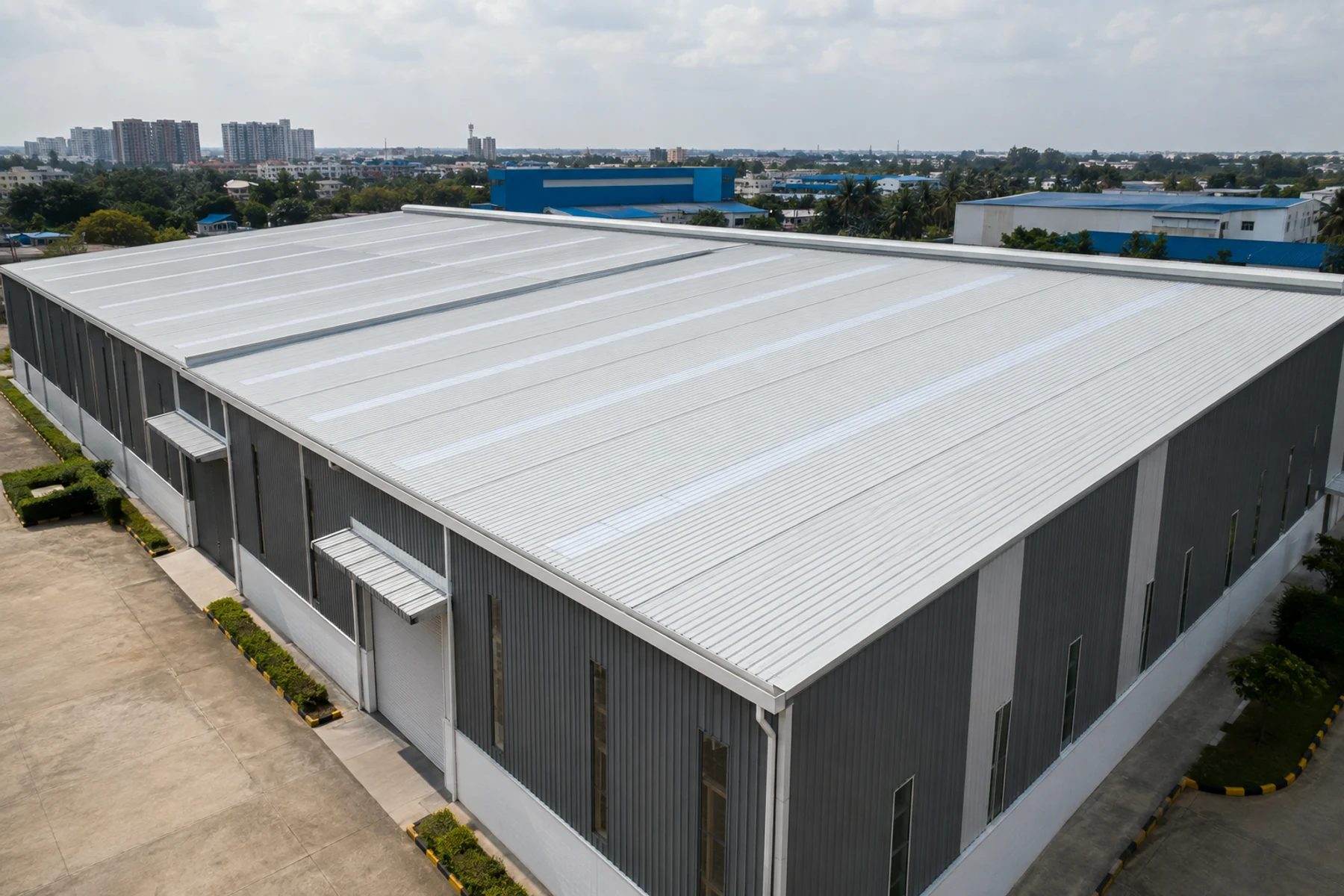
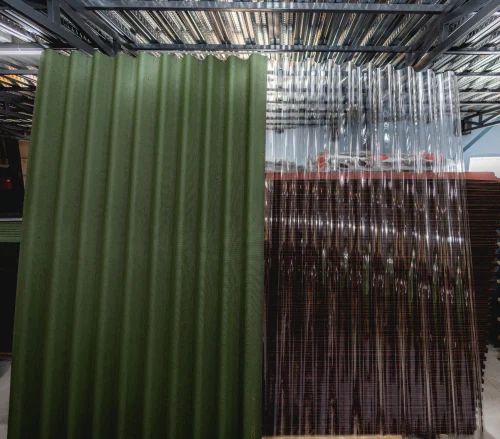
General warehouses, production areas, coastal locations, livestock buildings and chemically aggressive environments place different demands on a roof. uPVC profiles are often considered for corrosion-sensitive applications and can provide a finished internal face. Coated metal sheets offer broad profile, colour and fabrication choices.
The comparison points that matter
- Chemical and salt exposure at the site
- Heat, condensation and internal comfort priorities
- Support spacing and allowable span
- Thermal expansion and fixing-hole requirements
- Impact, fire and smoke-performance requirements
- Compatible flashings, fasteners and sealants
- Project lengths, colours and accessories
Do not transfer fixing details between materials
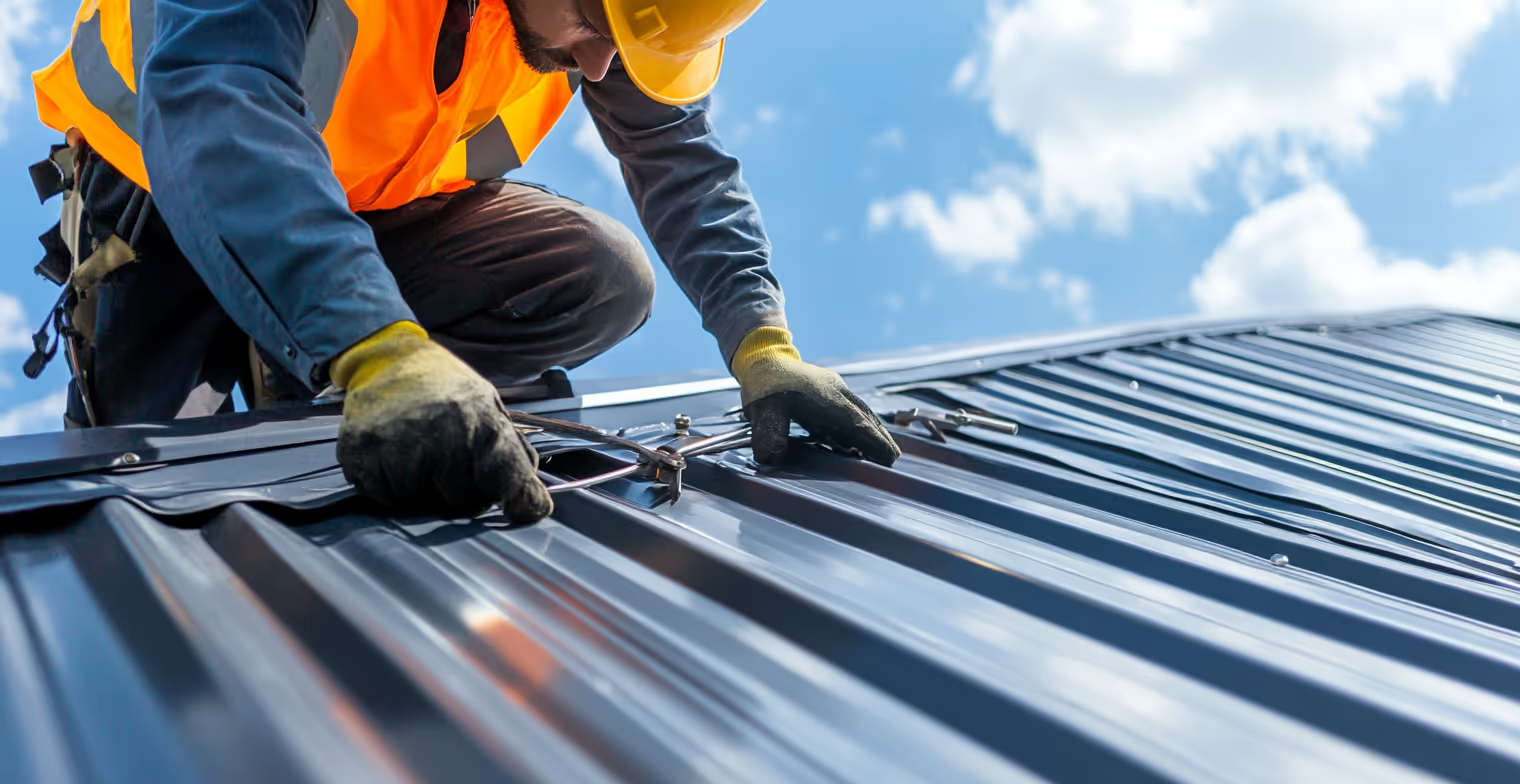
uPVC products can require predrilled or oversized holes and carefully seated washers so thermal movement is not restrained. Metal profiles have their own fastener placement, torque, lap and cut-edge requirements. In both cases, the support line must be straight and effective cover—not overall width—should drive quantity planning.
Ask for a site-specific recommendation
Share the building use, internal process, location, roof dimensions, purlin spacing and any known chemical exposure. ReZa can compare suitable uPVC profiles with appropriate metal systems and identify which technical approvals are required.
Prepared by the RoofMyWorld Editorial Team and technically reviewed using ReZa Smart Build product, fabrication and installation knowledge.