Installing Sustainable Roofing on Existing Structures: Is It Worth It?
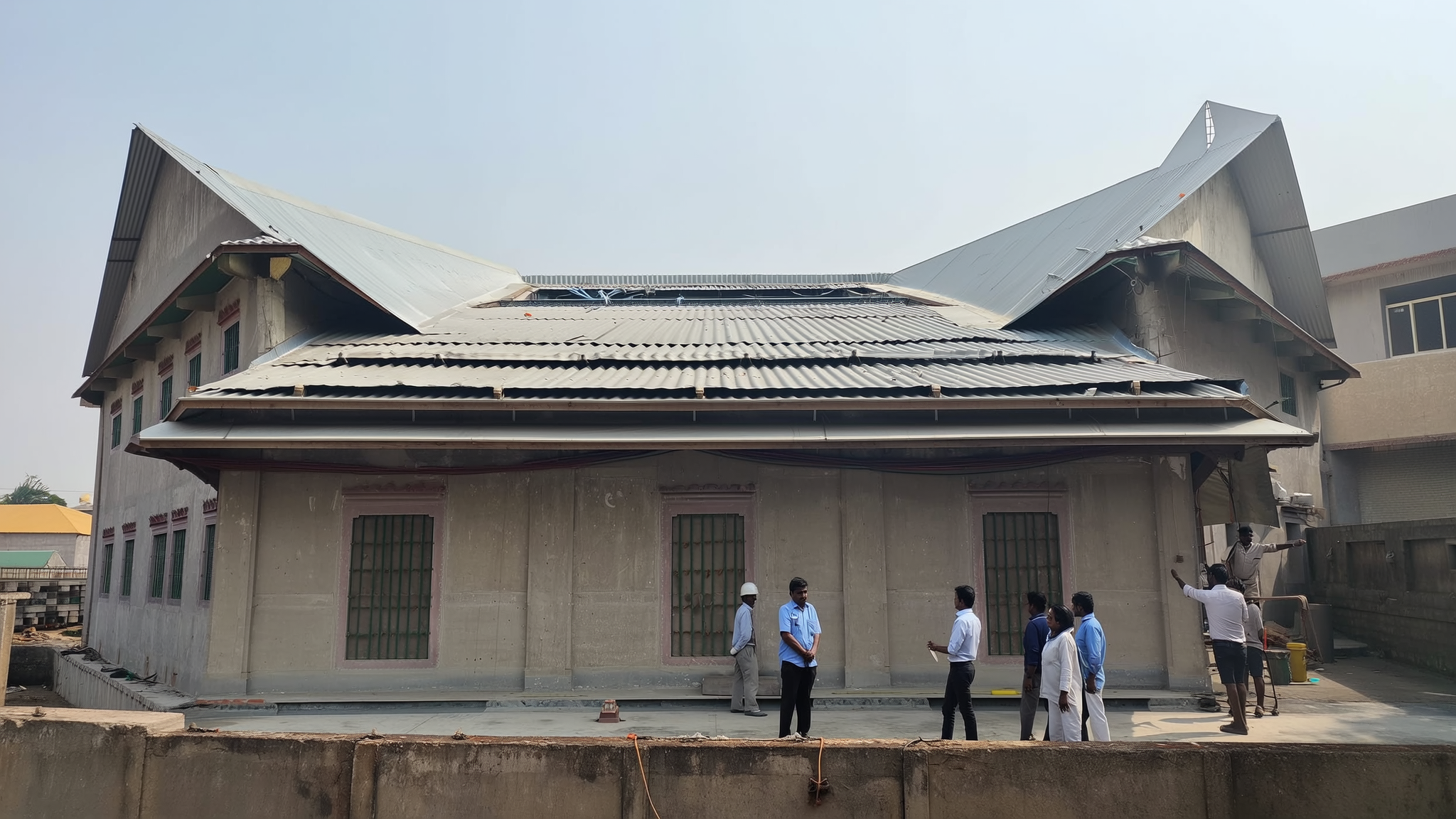
The question I hear most from facility managers: "Should I retrofit our existing roof with sustainable materials or wait until the current roof reaches end-of-life?"
It's a genuinely complex decision because it requires comparing the cost of premature replacement against the benefits of earlier sustainability transition. Let me walk through the framework for making this decision.
The Retrofit Decision Framework
Factor 1: Current Roof Condition & Remaining Lifespan
Your first assessment: How much life does the current roof have remaining?
Condition assessment metrics: - Surface condition (visual inspection: no damage, minor damage, significant damage) - Leakage history (zero leaks, occasional leaks, frequent leaks) - Professional structural evaluation (if uncertain) - Age comparison to material lifespan (asbestos cement typically 12-15 years)
Decision guide: - If current roof has <5 years remaining: Retrofit likely justified (accelerate replacement) - If current roof has 5-10 years remaining: Complex decision (requires ROI analysis) - If current roof has 10+ years remaining: Wait (retrofit typically not justified)
Factor 2: Financial Analysis: Retrofit vs. Wait
Scenario A: Retrofit now with Onduline - Retrofit cost: ₹180-220/sq meter + removal of old material - Total investment: ₹50 lakh (for 25,000 sq meter facility) - Onduline lifespan: 25-30 years - Annual maintenance: ₹0.5-1 lakh - 25-year total cost: ₹62-65 lakhs
Scenario B: Wait until current roof fails - Current roof lasts 8 more years (assume) - Repair cost (years 1-8): ₹15-25 lakhs - Replacement in year 8: ₹140-160/sq meter (similar material, inflation adjusted) - Onduline replacement (year 8): ₹200-220/sq meter (inflation adjusted) - Total cost (years 1-25): ₹85-105 lakhs
Retrofit advantage: ₹20-40 lakhs lifetime savings (if retrofit now with Onduline)
Decision: Retrofit now typically justified if current roof approaching end-of-life
Factor 3: Operational & Strategic Benefits
Beyond pure financial analysis, sustainability retrofit creates additional value:
Strategic positioning benefit: - ESG commitment credibility (actual action, not just policy) - Sustainability certification eligibility (IGBC, LEED) - Competitive advantage in facility marketing - Tenant attraction (for commercial/industrial properties)
Value impact: ₹10-30 lakh property value increase
Employee/stakeholder benefit: - Visible commitment to sustainability - Improved facility perception - Recruitment/retention advantage
Financial value: Hard to quantify but strategically important
When Retrofit Makes Financial Sense
Strong retrofit candidates: ✓ Current roof 10+ years old with visible deterioration ✓ Recent major investment in facility (new tenant, renovation) ✓ Commercial property where sustainability premium valuable ✓ Planned long-term facility use (10+ more years) ✓ Significant repair costs emerging (leaks, maintenance required)
Weak retrofit candidates: ✗ Current roof in good condition (5+ years life remaining) ✗ Property slated for sale within 5 years ✗ Short-term facility use (temporary facility) ✗ Budget constraints (competing investment needs)
The Bottom Line
Sustainable roofing retrofit makes financial sense when: 1. Current roof approaching end-of-life (8-10+ years old) 2. Retrofit creates strategic/sustainability benefits 3. Lifetime cost analysis favors retrofit
For most facilities where current roof is showing age and deterioration, retrofit with Onduline delivers superior lifetime financial outcomes while enabling sustainability positioning.